Toyota Production System Tools & Technique
Toyota Production System Tools: Mr.
DOWNLOAD [QA Tools, QMS Template in Excel and Word form]
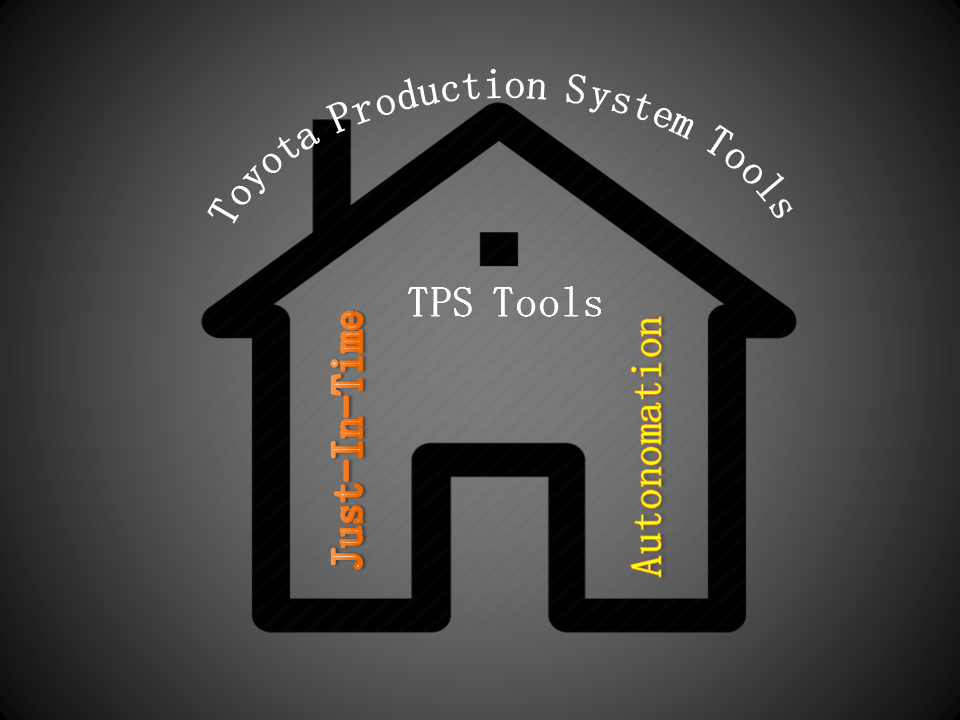
In the 1950s, Eiji Toyoda and Taiichii Ohno of Toyota Motor Company adopted a lean Production system based on JIT (Just-In-Time). Eiji Toyoda had visited Ford Motors to study the mass production system of the Ford Plant with the purpose of establishing the same system in his Toyota Motor Company. However, after visiting of ford motor company, he was not influenced by the suitability of the mass production system for his plant he asked his production engineer Taiichii Ohno to design a must suitable system for his plant. The system developed by Taiichii Ohno was later termed as Toyota Production System.
Several elements of JIT production system are:
- Small lot production
- Level Production
- TPM (Total Productive Maintenance)
- Pull production system
- Quality
- Flexible Resources
- Cellular Layouts
- Kanban System
- Quick set-up
- Supplier networks
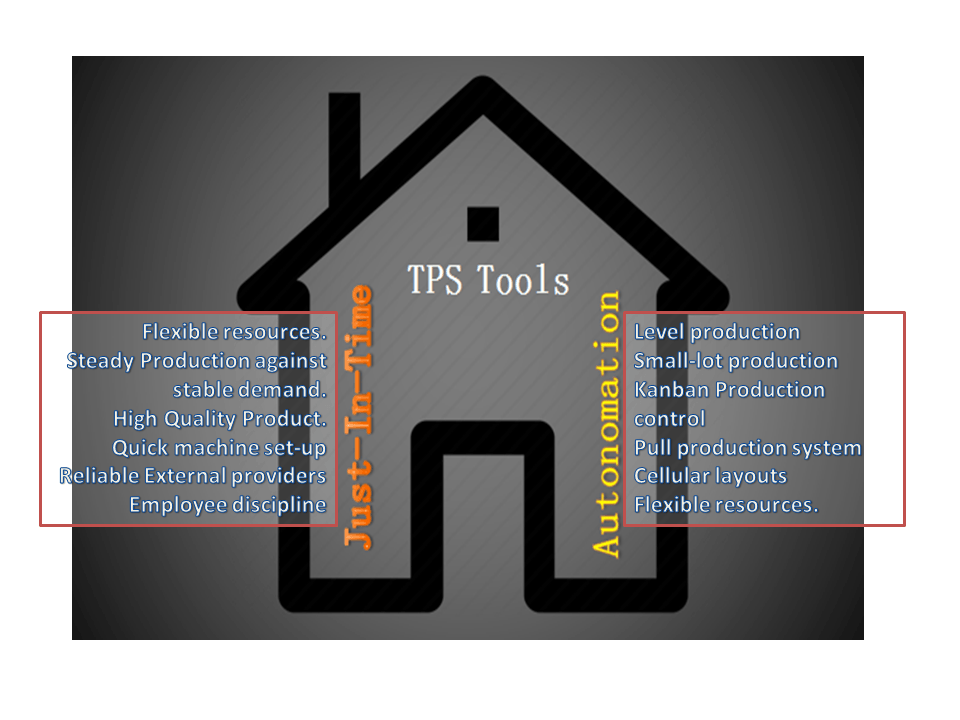
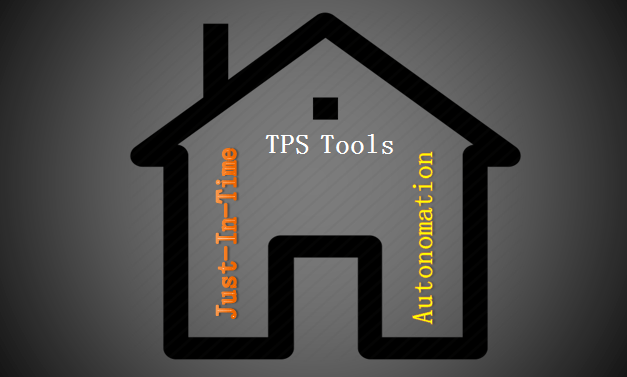
Two Major concepts of the Toyota production system are;
- JIT (Just-In-Time)
- Autonomation
The principles of Toyota’s production system include;
- Quality at the source
- Pull production
- Supplier Involvement
- Cellular Layouts
- Flexible resources
- Reduced set-up time
- Small lot production
- Employee involvement & Empowerment
- Equipment Maintenance
- Uniform production levels
The above elements and principles were the most important input to enhance mass production with zero defects. Rather than this one more concept also was important there to success the effective functioning of the TPS system was “Autonomation”.
Autonomation:
Autonomous defect control which depends on both automatic stop devices. It ensures that 100% good units flow to the subsequent operations.
Below are some mechanisms used for Autonomation such as?
Useful Articles:
Error Proofing Understanding & Implementation of IATF 16949 Clauses 10.2.4
Pareto Chart Example of Manufacturing Units
Histogram Example | Foundry Industries Examples.
Rework


Thank you for Reading
Popular Post:

Shanti Gopal Pradhan is an experienced professional in Quality Management Systems, QA, Operations, Business Excellence, and Process Improvement. He has strong expertise in international standards including IATF 16949, ISO 9001, ISO 14001, ISO 45001, and ISO 17025, along with methodologies such as TQM, TPM, and Six Sigma.
He holds a degree in Mechanical Engineering along with an MBA, combining strong technical acumen with strategic business insight, he is a Certified Internal Auditor, Lead Auditor, and Six Sigma Black Belt, with a proven track record in driving quality transformation and operational excellence.